How Termites Enter Homes and Commercial Structures
People seeking termite control aim to prevent and eliminate termite infestations, and local contractors can assess entry points and provide effective treatment solutions.
Understanding how termites enter homes and commercial structures is a crucial step for property owners looking to protect their investments. These pests can cause significant damage if left unchecked, often gaining access through common entry points such as cracks in the foundation, gaps around utility lines, or damaged wood structures. Knowing the typical ways termites invade buildings can help owners identify vulnerabilities early and take proactive measures. Connecting with experienced local contractors who specialize in termite control can provide tailored solutions to prevent infestations and safeguard properties effectively.
Property owners in the area may explore this topic to better understand the risks and signs of termite entry, especially if their property shows early indications of termite activity. Engaging with local service providers who understand the common entry points and behaviors of termites can lead to more effective prevention and treatment strategies. Whether through inspections, barrier treatments, or ongoing monitoring, local termite control professionals play an essential role in maintaining property integrity. Keep reading to discover practical insights into how these pests gain access and how trusted contractors can help keep structures secure.
- homeowners or business owners seeking to understand how termites enter structures can rely on local contractors to identify entry points and vulnerabilities. - when signs of termite activity appear, local pros can inspect common entry routes such as cracks, gaps, and soil contact areas. - for properties near wood debris or moisture sources, local service providers can assess how termites might be gaining access. - during preventative treatments, local contractors evaluate potential entry points to help block termites from entering homes and commercial buildings. - if a property has experienced previous infestations, local pros can determine how termites re-enter and reinforce defenses against future entry.
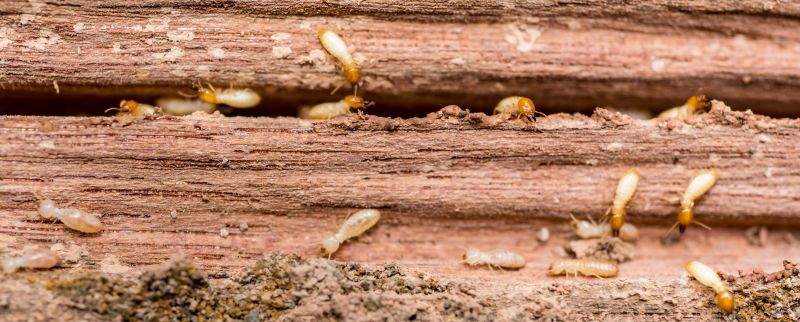

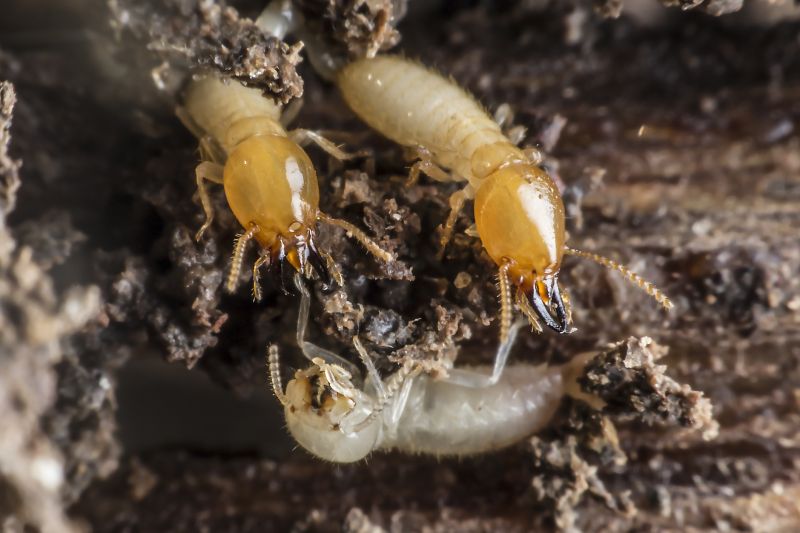
Understanding how termites enter homes and commercial structures is a common concern for property owners facing potential infestations. When people search for this topic, they often want to know the specific ways these pests gain access to buildings, so they can better protect their properties. This information helps homeowners and business owners identify vulnerabilities and plan effective prevention strategies. Knowing the entry points and pathways that termites use allows them to work more closely with local service providers who specialize in termite control, ensuring that inspections and treatments target the most common entry routes.
The problems related to termites entering buildings typically involve structural damage, costly repairs, and ongoing infestations. Property owners might be planning renovations, new construction, or simply seeking to prevent future issues. Understanding how termites gain entry is crucial in these scenarios because it informs the installation of barriers, the treatment of vulnerable areas, and ongoing monitoring. Local termite control professionals can assess specific property conditions and recommend targeted solutions to block these entry points, helping to mitigate damage before it occurs or worsens.
Certain types of properties are more likely to be affected by termite entry points due to their construction features and location. Homes with wood framing, basements, or crawl spaces are particularly vulnerable, as these areas often provide easy access for termites. Commercial structures such as warehouses, retail outlets, or office buildings with wooden fixtures or landscaping close to the foundation can also be at risk. These properties often require tailored inspections to identify potential entry points and customized treatment plans. Local service providers are familiar with the common vulnerabilities of various property types and can help develop effective strategies for prevention and control.
Understanding how termites enter homes and commercial structures connects directly to property maintenance, renovation projects, and pest management plans. Property owners who recognize common entry routes-such as cracks in the foundation, gaps around utility lines, or damaged wood-can work with local contractors to address these vulnerabilities. These professionals can perform thorough inspections, recommend repairs, and implement treatments to create a barrier against termite entry. Connecting with experienced termite control service providers ensures that property owners receive targeted advice and effective solutions, helping to protect their investments from the costly damage caused by these persistent pests.
Foundation Inspection and Repair - professionals who assess and repair building foundations can identify entry points and structural vulnerabilities that termites exploit, helping to prevent infestations.
Moisture Control Services - local contractors specializing in moisture management can address conditions that attract termites, such as leaks and poor drainage, reducing entry opportunities.
Exterior Pest Barrier Installation - service providers who install physical or chemical barriers around structures can block termite access points and entry pathways.
Structural Wood Treatment - experts in treating wood for pests can eliminate existing colonies and prevent termites from establishing inside building materials.
Venting and Drainage Solutions - specialists who improve airflow and drainage help reduce moisture buildup that attracts termites seeking entry and sustenance.
Building Inspection Services - comprehensive inspections by local pros can identify potential entry points and structural conditions that facilitate termite intrusion.
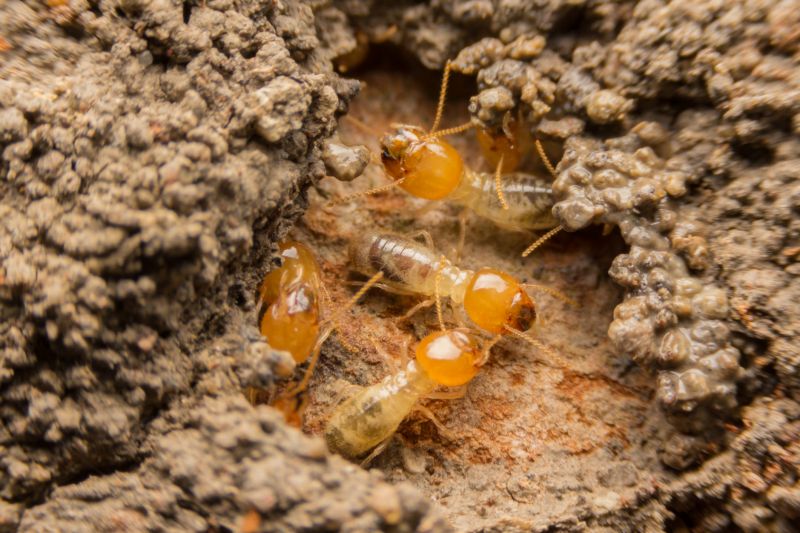
When evaluating local contractors for termite control services, it is important to consider their experience with similar projects involving how termites enter homes and commercial structures. A seasoned service provider will have a solid understanding of common entry points, such as cracks in foundations, gaps around utility lines, and areas where wood contacts soil. Their familiarity with these typical pathways can help ensure that the treatment plan addresses the specific vulnerabilities of the property. Asking about past work on properties similar in size, construction type, or location can provide insight into their expertise and ability to handle the unique challenges associated with termite entry points.
Clear written expectations are essential when comparing local service providers for termite control. A reputable contractor should be able to provide a detailed description of the services offered, including inspection procedures, treatment methods, and follow-up measures. This transparency helps homeowners understand what to expect and ensures that all parties are aligned on the scope of work. Additionally, written documentation can serve as a reference throughout the project, reducing misunderstandings and establishing a basis for accountability.
Good communication and reputable references are key factors in selecting a reliable termite control provider. Service providers who are responsive and willing to answer questions about how termites typically enter structures demonstrate professionalism and a commitment to customer understanding. Requesting references from previous clients who had similar concerns can help gauge the quality of work and the level of satisfaction. Reliable local contractors should be able to share contact information for references and provide clear, straightforward responses to inquiries, fostering confidence in their ability to effectively address termite entry points and control infestations.
Property owners often search for how termites enter homes and commercial structures when they are planning practical projects around their homes and businesses. Local pros provide Termite Control services for everyday jobs and straightforward project options.
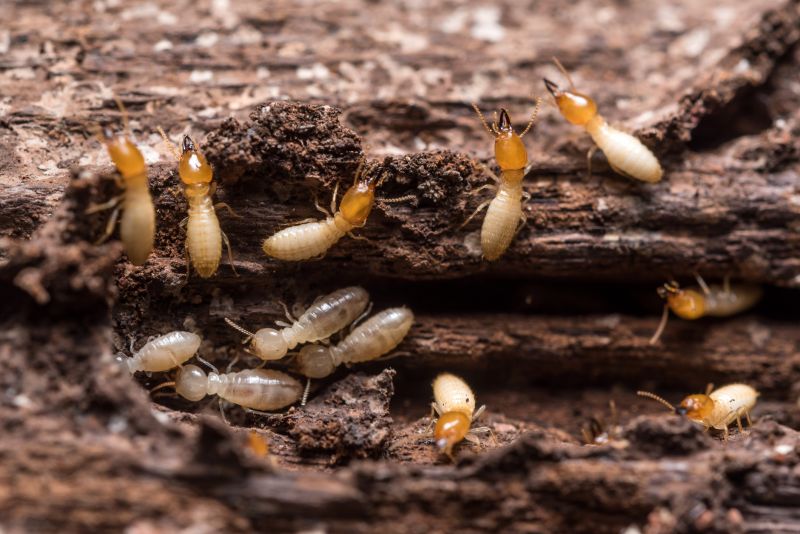
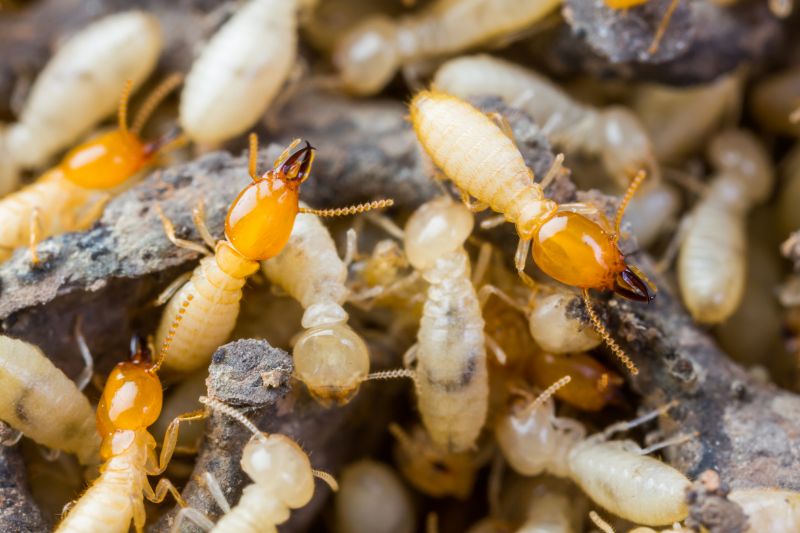
Understanding how termites enter homes and commercial structures can help property owners take proactive steps to protect their investments. Typically, termites gain access through cracks in the foundation, gaps around utility lines, or damaged wood that provides an entry point. Moisture-rich areas such as basements, crawl spaces, and areas with poor drainage are especially vulnerable, making it important for property owners to be aware of potential vulnerabilities around their buildings. When signs of termite activity appear, many turn to local contractors who specialize in termite control services to assess the situation and recommend effective treatment options.
Property owners in the area often seek out termite control services from local service providers to address concerns about unseen entry points or ongoing infestations. These professionals can inspect the property for signs of termite entry, such as mud tubes or damaged wood, and help identify areas where termites might be hiding or gaining access. Engaging with experienced local contractors ensures that appropriate measures are taken to prevent future problems, making it easier to maintain the integrity of both homes and commercial structures.
How do termites typically enter homes and commercial structures? Termites usually enter buildings through soil contact points, such as cracks in the foundation, gaps around utility lines, or damaged wood. Local contractors can inspect these entry points and recommend effective treatment options.
What are common signs of termite entry points in buildings? Signs include mud tubes along foundations, damaged wood, and discarded wings near entry areas. Professional termite control services can identify hidden entry points and assess the extent of infestation.
Can termites enter through vents or windows? While vents and windows are less common entry points, termites can find small openings or unsealed gaps around these areas. Local service providers can seal potential entry points and prevent further intrusion.
How do subterranean termites gain access to structures? Subterranean termites often enter through underground soil contact, traveling through mud tubes to reach wood structures. Experts can treat soil and create barriers to block their access.
Are there specific conditions that make structures more vulnerable to termite entry? Moisture, wood-to-soil contact, and damaged or untreated wood increase vulnerability. Local pros can evaluate these conditions and recommend preventative measures to reduce entry risks.
Identifying entry points - property owners can inspect foundations, windows, and door frames for cracks or gaps where termites might enter, and seek help from local contractors to seal these vulnerabilities.
Managing wood-to-ground contact - keeping wood structures, mulch, or debris away from the building's foundation reduces entry sites, with local pros providing advice on proper landscaping practices.
Reducing moisture sources - fixing leaks and improving drainage around the property can make the environment less attractive to termites, with service providers offering moisture control solutions.
Implementing barrier treatments - applying physical or chemical barriers around the structure can prevent termites from gaining access, with local contractors installing effective defenses during property inspections.
If you are thinking about how termites enter homes and commercial structures for a property, this guide is meant to help you understand this topic, the typical project types, and how different options might fit your plans.
When you are ready, you can use the quote form on this page to share a few details about your project. From there, local pros can review the basics and follow up with options that match what you have in mind.